CEPCOM-Uganda wins award at the Kampala Impact Day Ecoprenuer Awards 2023
CEPCOM Uganda wins award at Kampala Impact Day Ecoprenuer Awards 2023.
0 Comments
December 6, 2023

Articles about the environment programs and activities
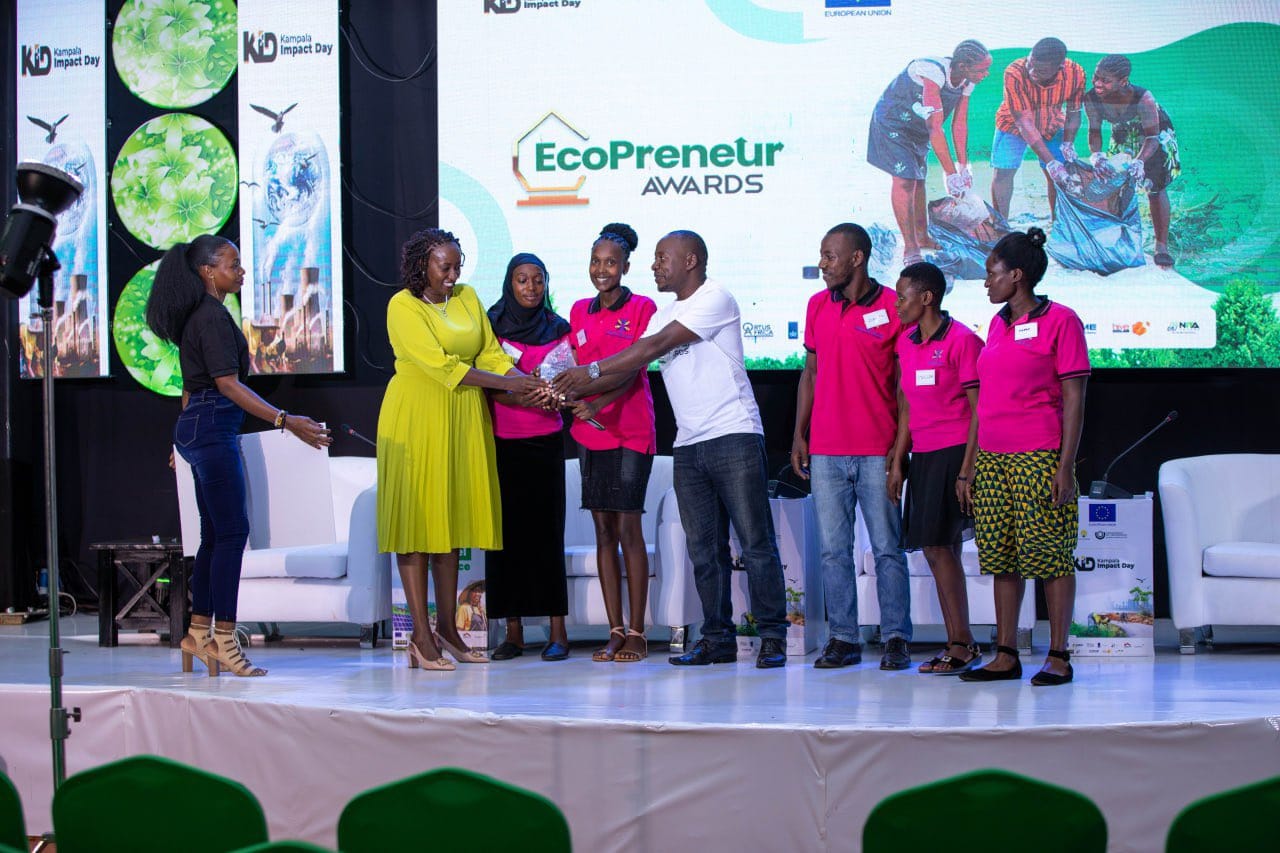
CEPCOM Uganda wins award at Kampala Impact Day Ecoprenuer Awards 2023.

CEPCOM-Uganda through the operation theme #myevironmentmyidentity continues to work with communities to save mother earth from irresponsible plastic disposal that end up in water channels and landfills resulting into glaring…

This is Kabale District, a quarry at one of the routes to Lake Bunyonyi. 80% of workers here, are women & children. Mothers work in company of their children ,…

Actions on climate change should reconsider women contributions and attaching monetary gains on such responsibilities for social and economic empowerment.

The Executive Director, Centre for Peace and Conflict Mitigation , Cepcom -Uganda Kuteesa Stephen calls for collective action to save mother earth. Accordingly, Mr. Kuteesa stresses, that the Women productivity…

Stephen Kuteesa, the executive director of Center for Peace and Conflict Mitigation Uganda (CEPCOM-Uganda), has urged the government to show political will to conserve the environment. Kuteesa avers that the…

"One refugee, one tree, West Nile for all of us" is a project is drawn from the single narrative and misconception that looks at refugees as being parasitic and detrimental to their host communities in terms of exerting pressure on resources and the Eco-system.
The alternative narrative therefore, is to look at refugees as potential stakeholders and active players in contributing to and conserving the environment of their host communities for sustained peaceful coexistence.

The unpleasant reality: However detrimental wood charcoal is to the environment, without economical alternatives, it can never be eliminated from the lives of Ugandans for the foreseeable future.
The increasing demand by the urban population is enticing the neighboring rural inhabitants to produce wood charcoal unsustainably for small economic benefits, which comes at a high cost to the forests and the larger ecosystem.
Henceforward, it is pertinent to find reliable ways to mitigate the forest destruction associated with current charcoal production without sacrificing peoples’ incomes and livelihood. This can be achieved through: sensitizing and empowering people with knowledge and skills to produce, supply, and, use charcoal briquettes made from organic waste and any dry biomass which is plentifully available.
